
Introduction
In an era where customer experience is the battleground for businesses, understanding the nuances of the customer journey has become paramount. The advent of advanced analytics is revolutionising this understanding, offering unprecedented insights into customer behavior and preferences.
The Evolution of Customer Journey Mapping
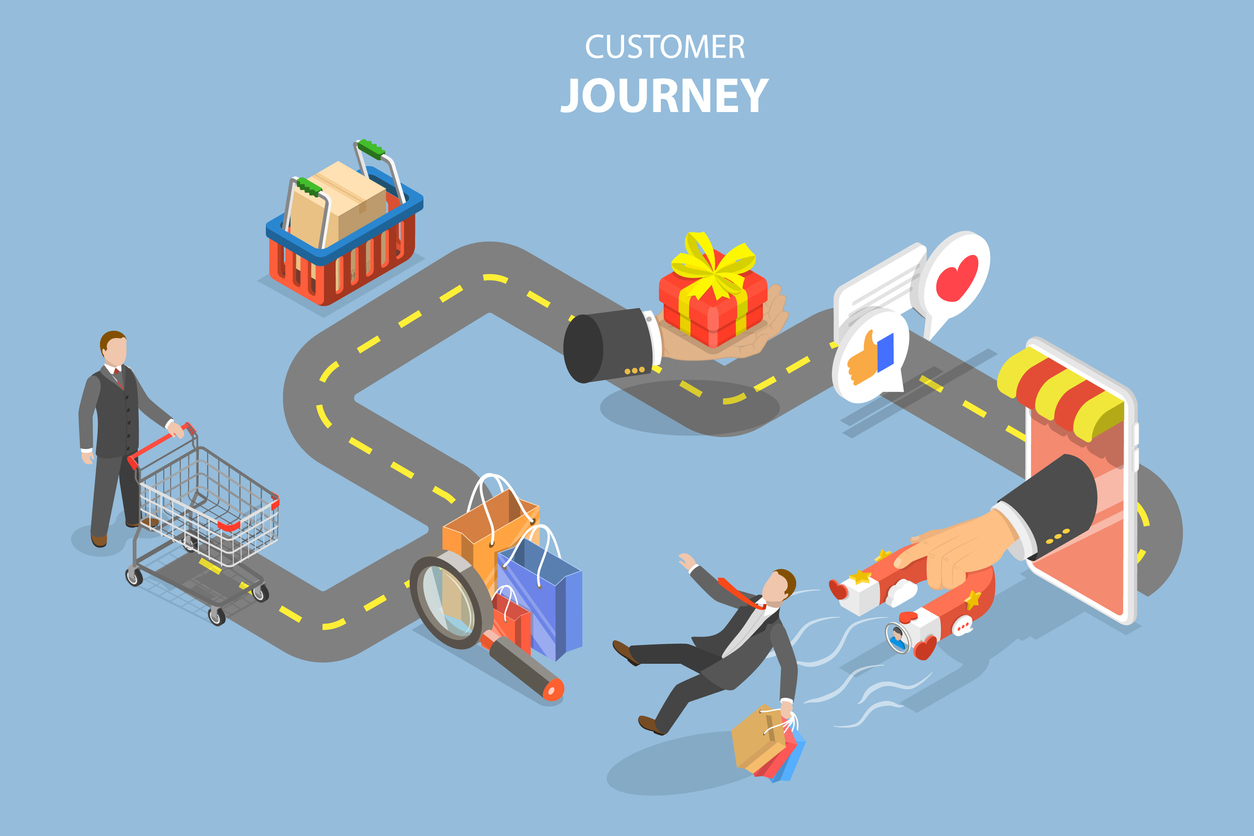
Customer journey mapping has long been a staple in the marketer's toolkit. However, traditional methods often relied on surface-level data and assumptions, leading to an incomplete picture of the customer experience. The integration of advanced analytics marks a significant shift, moving from a linear and simplistic view to a dynamic and multifaceted understanding of the customer journey.
The Power of Advanced Analytics
- Data Integration: By aggregating data from various touchpoints, analytics provide a comprehensive view of the customer journey, capturing every interaction across multiple channels.
- Behavioural Analysis: Advanced analytics delve into the 'why' behind customer actions, revealing patterns and motivations that drive decision-making.
- Predictive Modelling: Leveraging historical data, analytics can forecast future behaviour, enabling businesses to anticipate and respond to customer needs proactively.
Transforming Customer Journey Mapping
- Granular Understanding: Businesses can dissect the customer journey into finer segments, identifying micro-moments that significantly impact the overall experience.
- Personalisation: With deeper insights, companies can tailor experiences to individual preferences, delivering highly personalised interactions.
- Optimisation of Touchpoints: Analytics highlight critical touchpoints, allowing businesses to allocate resources effectively.
- Real-Time Adaptability: The dynamic nature of analytics enables businesses to adapt their strategies in real-time based on evolving customer behaviour.
Challenges and Considerations
- Data Privacy and Security: Ensuring the privacy and security of customer data is paramount, requiring robust data governance policies.
- Integration Complexity: Seamlessly integrating analytics into existing systems and processes can be complex and resource-intensive.
- Skill Gap: The effective use of advanced analytics requires specialised skills, highlighting the need for ongoing training and development.
Conclusion
The future of customer journey mapping is intricately linked with advancements in analytics. As businesses navigate the complexities of the digital age, the ability to harness the power of analytics will be a key differentiator in delivering exceptional customer experiences. By embracing these technologies, companies can not only understand their customers better but also anticipate their needs, personalise their interactions, and ultimately build lasting relationships.