
Introduction
In the digital age, the customer journey has evolved into a complex web of interactions across multiple channels. This shift has given rise to omnichannel marketing, a strategy that aims to provide a seamless and consistent experience to customers, regardless of the channel or device they use.
Understanding the Omnichannel Landscape
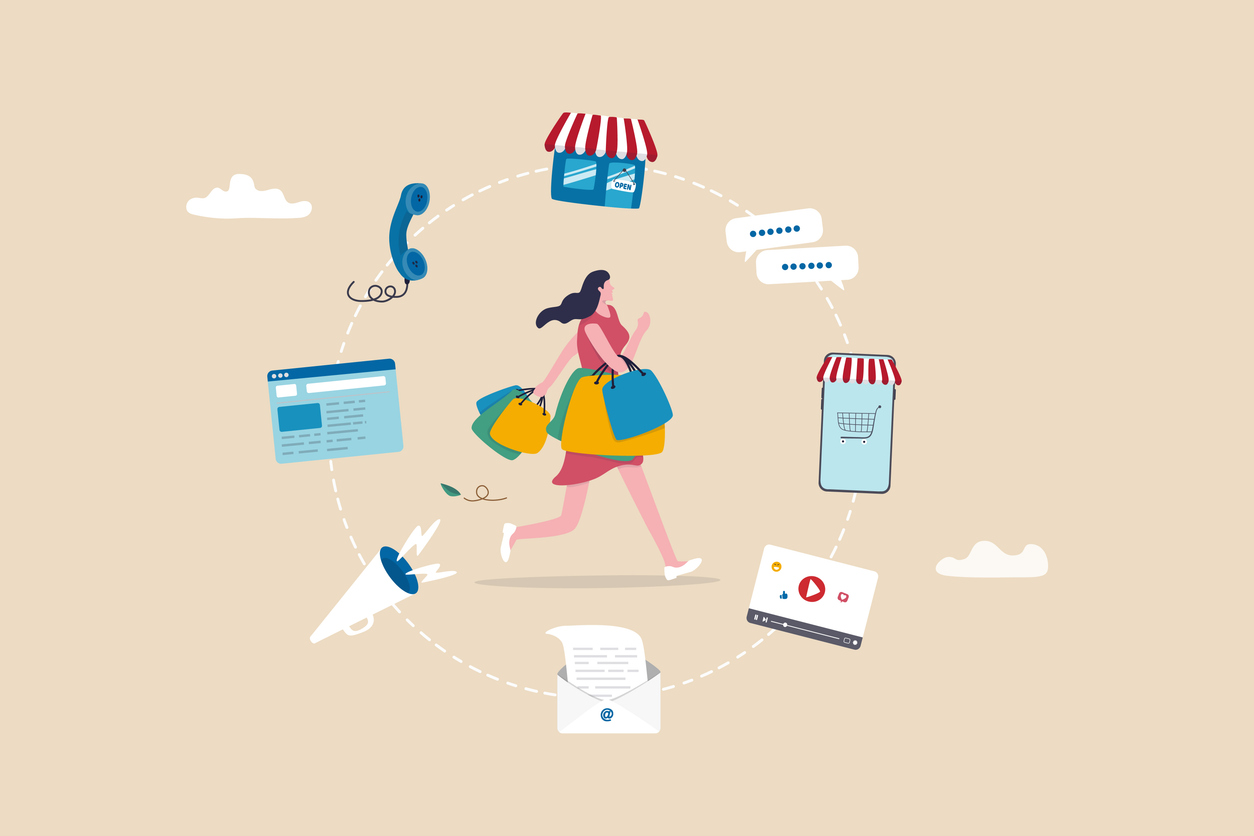
Omnichannel marketing is more than just a buzzword; it's a customer-centric approach that integrates various channels to create a cohesive experience. Unlike multichannel marketing, which operates channels in silos, omnichannel marketing ensures that all channels are interconnected, allowing for a seamless transition from one touchpoint to another.
Key Components of an Effective Omnichannel Strategy
- Customer Journey Mapping: Begin by mapping out the customer journey, identifying all potential touchpoints and understanding how customers interact with your brand across different channels.
- Data Integration: Centralise data from various sources to gain a holistic view of customer behavior and preferences.
- Channel Consistency: Ensure that your brand's messaging, tone, and visual identity are consistent across all channels.
- Personalisation: Leverage data insights to tailor experiences to individual customers, delivering relevant content and offers.
- Technology Adoption: Invest in the right technology stack, including CRM systems, marketing automation tools, and analytics platforms.
Challenges and Solutions in Omnichannel Marketing
Implementing an omnichannel strategy comes with its set of challenges, including data silos, technology integration, and maintaining consistency across channels. To overcome these hurdles, businesses should invest in robust data management solutions, foster cross-departmental collaboration, and adopt a customer-first mindset.
Measuring the Success of Your Omnichannel Strategy
- Customer Lifetime Value (CLV): A measure of the total revenue a business can expect from a single customer account.
- Customer Retention Rate: The percentage of customers who continue to do business with you over a given period.
- Net Promoter Score (NPS): An indicator of customer loyalty and the likelihood of customers recommending your brand.
- Conversion Rate: The percentage of customers who take the desired action across your various channels.
Conclusion
Mastering the omnichannel marketing maze requires a strategic approach, a deep understanding of your customers, and a commitment to continuous improvement. By leveraging the right tools and technologies, businesses can create seamless customer experiences that drive loyalty, enhance brand perception, and ultimately lead to sustained growth.